
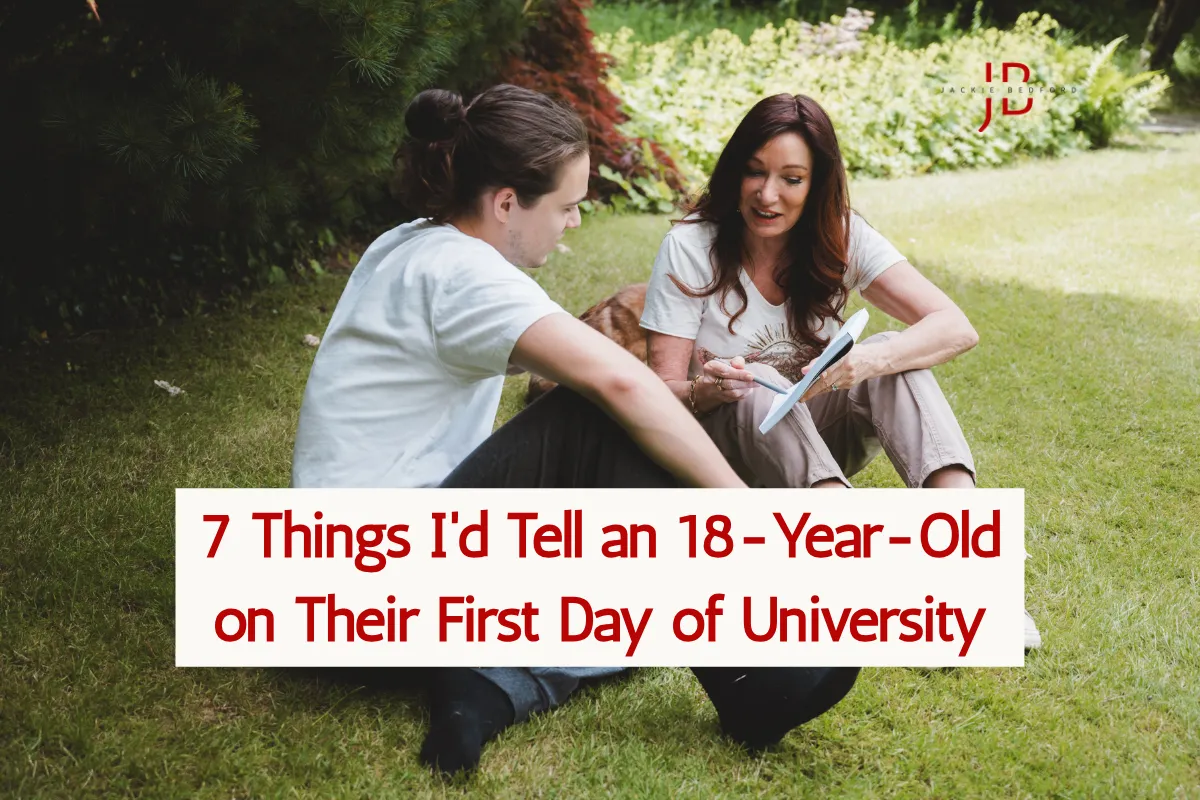
7 Things I'd Tell an 18-Year-Old on Their First Day of University
"Career stuff is a final-year problem." I hear some version of that from almost every student I meet in their first term, and I understand exactly why. Freshers' Week is loud enough without adding a career plan to the list. But here's what I'd actually tell you on day one: you don't need a plan. You need a first move, and the sooner you make one, the less final year has to do all the heavy lifting on its own.
Government research into graduate career planning backs this up in a way I find genuinely striking. At the point students apply to university, only half say they have a good idea of the career they want. By the time they leave, that's climbed to 62%. That gap doesn't close itself. It closes because of what happens in between, quietly, over three years, not in a single scramble before graduation.
This isn't typical freshers’ week advice about societies and seating plans. It's the other list, the one nobody hands you in your welcome pack. Here are seven career tips for new university students that have nothing to do with knowing your five-year plan.
1. You don't need a plan, you need a first move
Nobody expects an 18-year-old to know their career trajectory. What actually matters is doing one small thing, this week, that points vaguely in a direction. A plan can wait. A first move can't, because the longer you wait to make one, the more "later" starts to feel like the default.
2. Talk to one person doing a job that sounds interesting
You don't need to call it networking yet. You just need one honest conversation with someone doing work that sounds even mildly appealing. Ask what their week actually looks like. That's it. Do this once in first year and it stops feeling like a big scary skill you'll pick up "eventually."
3. Follow the careers service now, not in year three
Most students discover their university's careers service exists around the same time they realise they need it urgently, which is usually far too late to be useful. Follow them, sign up to their mailing list, walk past their office once. You're not committing to anything. You're just making sure the door's already open when you need it.
4. Say yes to one society that's adjacent to a career, not just a hobby
The freshers’ week advice everyone gives you is "join everything." Here's the refinement: one hobby society is great, but one society that happens to sit near a career path you're curious about, even loosely, gives you something to talk about that isn't just your degree title.
5. Start a "things I don't want" list
Nobody tells you this one. A list of jobs, environments, or ways of working that don't appeal to you is just as useful as a list of things you do want, often more so, because ruling things out is usually easier than ruling things in when you're 18.
6. Treat first year like data collection, not decision-making
You're not choosing your career in first year. You're gathering evidence about what you like, what you're good at, and what drains you. Every module, every part-time shift, every society meeting is a data point. Nothing needs deciding yet, it just needs noticing.
7. Structure beats intensity
A little bit of consistent attention across three years will always beat a frantic six-week push in final year. This is genuinely the whole argument in one line. If you want that structure built for you rather than pieced together as you go, Get The Job You Want – Graduate Edition is designed around exactly this idea, direction, market understanding, CVs/résumés, interviews, built to be picked up whenever you're ready rather than crammed in at the end.
None of this matters on its own. It's the compounding that does.
Almost three quarters of graduates take part in some form of work experience during university or in the six months after, and those who do are consistently more likely to end up in the kind of role they actually wanted. Not because any single placement or society or conversation changes everything on its own, but because they add up. That's the whole point of starting on day one instead of day one thousand and something, in the panic of final year. Small and early beats big and late, every time.
You don't need to have it figured out today. You just need to have started. If you want a proper head start rather than a scramble later, Get The Job You Want – Graduate Edition is built for exactly that.